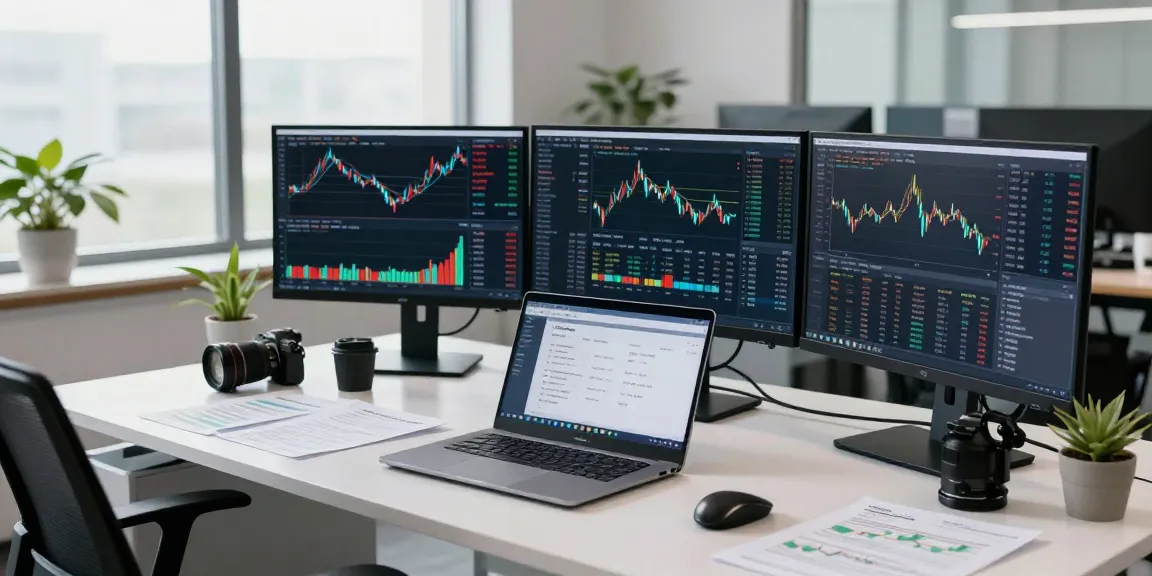
Understanding the Frankfurt Exchange Data Feed
The Frankfurt Exchange, officially known as the Frankfurter Wertpapierbörse, is one of the world's largest stock exchanges, acting as a crucial node in the global financial system. With a plethora of stocks, bonds, and financial instruments traded daily, having access to real-time and reliable data from the Frankfurt Exchange is indispensable for traders, developers, and research institutions. The Frankfurt exchange data feed provides comprehensive insights necessary for making informed trading decisions and strategic planning in a highly competitive market.
What is the Frankfurt Exchange Data Feed?
The Frankfurt exchange data feed is a service that delivers real-time and historical market data from the Frankfurt Stock Exchange. This data includes pricing, volume, orders, and trades for various financial instruments listed on the exchange. The feed is typically accessed through an API (Application Programming Interface), enabling seamless integration into trading platforms, financial applications, or research databases.
Utilizing this feed, developers and traders can implement automated trading strategies, perform analytics for investment decisions, and gain insights into market behavior. Its real-time nature ensures that users are updated with the latest market changes, which is vital for effective decision-making.
Key Features and Benefits of Using the Frankfurt Data Feed
- Real-Time Data: Access to live market data, allowing for immediate trading decisions.
- Comprehensive Historical Data: Availability of historical data helps in backtesting trading strategies and conducting market analysis.
- High Reliability: The feed offers data from a trusted exchange, ensuring accuracy and timeliness.
- Flexible API: The data can be accessed via WebSocket and RESTful APIs, making integration smooth and efficient.
- Scalability: Suitable for both individual traders and large institutional firms, accommodating varying data needs.
Comparative Analysis with Other Market Data Feeds
While there are numerous market data feeds available, the Frankfurt exchange data feed stands out due to its unique features tailored to the German financial market. Comparing it with other feeds, such as NYSE or NASDAQ, highlights several distinctive advantages:
- Regional Focus: The Frankfurt feed provides in-depth coverage of European market trends, which may be overlooked by U.S.-focused feeds.
- Regulatory Compliance: Adheres to stringent EU regulations, giving users assurance of data integrity and compliance.
- Localized Insights: Offers data relevant to German and EU stocks efficiently, which can be crucial for traders looking to capitalize on local market conditions.
Integrating the Frankfurt Exchange Data into Your Systems
Step-by-Step Guide to Integrating via API
Integrating the Frankfurt exchange data feed into your systems typically involves the following steps:
- Sign Up for Access: Register with a data provider to obtain API keys necessary for accessing the feed.
- API Documentation Review: Thoroughly read the API documentation provided by the data service to understand endpoints, request methods, and response formats.
- Initial Setup: Develop a simple application to test connectivity. Use tools like Postman or curl to ensure the API responds as expected.
- Data Handling: Implement data parsing and storage methods depending on whether you are using databases or just displaying real-time data on a UI.
- Continuous Monitoring: Set up monitoring to track data feed performance and troubleshoot any potential integration issues.
Best Practices for Efficient Data Management
Managing market data effectively is essential for maximizing its utility. Here are some best practices:
- Data Governance: Establish data governance protocols to ensure data quality and compliance with regulations.
- Regular Updates: Regularly update software to accommodate API changes and maintain performance efficiency.
- Optimize Data Storage: Use efficient data storage solutions (e.g., time-series databases) to handle large volumes of data effectively.
- Security Measures: Implement robust security protocols to safeguard sensitive trading data from unauthorized access.
Common Challenges in Integration and How to Overcome Them
While integrating the Frankfurt exchange data feed can enhance trading capabilities, several challenges may arise:
- Latency Issues: To mitigate latency, utilize WebSocket connections for real-time data delivery.
- Data Overload: Efficiently manage data throughput by filtering unnecessary data points based on your trading strategy.
- API Changes: Stay updated with the provider about any API changes to ensure your application continues working without interruptions.
Using the Frankfurt Data Feed for Quantitative Trading
Building Quantitative Strategies with Real-Time Data
To leverage the Frankfurt exchange data feed effectively in quantitative trading, traders should adopt a systematic approach. Here are some steps to follow:
- Define Trading Strategies: Identify specific trading strategies based on quantitative analysis, such as statistical arbitrage or momentum trading.
- Data Utilization: Use real-time data from the feed to trigger buy or sell signals based on predefined algorithms.
- Performance Metrics: Continuously monitor performance metrics to fine-tune strategies based on market conditions.
Backtesting Strategies Using Historical Data
The Frankfurt exchange data feed provides invaluable historical data, essential for backtesting trading strategies. Here’s how to effectively backtest:
- Collect Historical Data: Use the feed to gather extensive historical data to analyze past market conditions.
- Simulate Trading: Implement your trading algorithms on historical data to assess their performance without financial risk.
- Analyze Outcomes: Review the outcomes rigorously, comparing predicted performance against actual results to identify strengths and weaknesses in your strategy.
Case Studies: Successful Quant Traders Using Frankfurt Data
Several quant traders have successfully used the Frankfurt exchange data feed to develop robust trading strategies. For example:
- Case Study 1: A hedge fund leveraged the real-time data feed to enhance its market-making strategies, achieving a 20% increase in profits within the first year of implementation.
- Case Study 2: An individual trader utilized historical data to refine a momentum trading strategy, resulting in significantly reduced drawdown periods during market corrections.
Compliance and Regulatory Considerations
Understanding Financial Regulations in 2026
As financial markets evolve, staying compliant with regulations is mandatory. The Frankfurt exchange must adhere to EU regulations, which have become more stringent in 2026, impacting how market data is consumed and utilized. Traders and developers should familiarize themselves with:
- GDPR: Ensure that data usage complies with the General Data Protection Regulation concerning personal data handling.
- MiFID II: Understand the Markets in Financial Instruments Directive as it relates to market transparency and client order handling.
How to Ensure Compliance with Data Usage
To ensure compliance when using the Frankfurt exchange data feed:
- Audit Data Handling Practices: Regularly review data handling protocols and ensure they are updated to meet compliance standards.
- Educate Team Members: Provide training to relevant team members about compliance requirements and best practices.
- Document Everything: Maintain thorough documentation of how data is collected, used, and shared, in accordance with regulatory requirements.
Best Practices for Data Security and Privacy
Security is paramount when dealing with market data. Implement these best practices:
- Use Encryption: Encrypt sensitive data both in transit and at rest to protect against unauthorized access.
- Limit Access: Restrict data access to authorized personnel only, implementing a robust authentication mechanism.
- Regular Security Audits: Conduct routine security audits to identify and mitigate vulnerabilities.
Future Trends in Market Data Feeds
Emerging Technologies Impacting Financial Data Feeds
As technology advances, several emerging trends are poised to impact market data feeds:
- Artificial Intelligence: AI and machine learning are set to revolutionize the way market data is analyzed, enabling faster and more accurate predictions.
- Blockchain Technology: The integration of blockchain could enhance data integrity and security, providing tamper-proof access to market information.
Predictions for Market Data Services in 2026
In 2026, market data services are likely to evolve with a focus on:
- Enhanced Real-Time Analytics: A shift towards providing more sophisticated analytics tools integrated with real-time data feeds.
- Greater Personalization: Tailoring data feeds to individual trader needs and preferences will become a pivotal offering.
How to Stay Ahead of Industry Changes
Staying ahead in the rapidly evolving market data landscape requires a proactive approach:
- Continuous Learning: Engage in ongoing education and training about market trends and regulatory changes.
- Networking: Connect with industry professionals to stay informed about best practices and emerging technologies.
- Invest in Technology: Regularly evaluate and update technology infrastructure to support the latest data processing and analytics capabilities.
What is the key difference of Frankfurt exchange data feed?
The main differentiator of the Frankfurt exchange data feed is its focus on the European market, providing localized insights and understanding of market dynamics that other feeds may lack.
How can I integrate the Frankfurt exchange data feed into my applications?
Integration can be achieved by following the steps outlined in the API documentation provided by your data service, followed by implementing data management best practices to ensure efficiency.
What are the potential challenges when using a Frankfurt exchange data feed?
Challenges may include latency issues, managing data overload, and staying compliant with regulatory changes that may affect how the data can be used.
Is the Frankfurt exchange data feed suitable for algorithmic trading?
Yes, the Frankfurt exchange data feed is highly suitable for algorithmic trading due to its real-time updates and comprehensive historical data.
How does the Frankfurt exchange data feed compare to other exchange feeds?
Compared to other feeds, it offers localized insights for European markets and adheres to stricter European regulations, making it a reliable choice for traders focusing on this region.